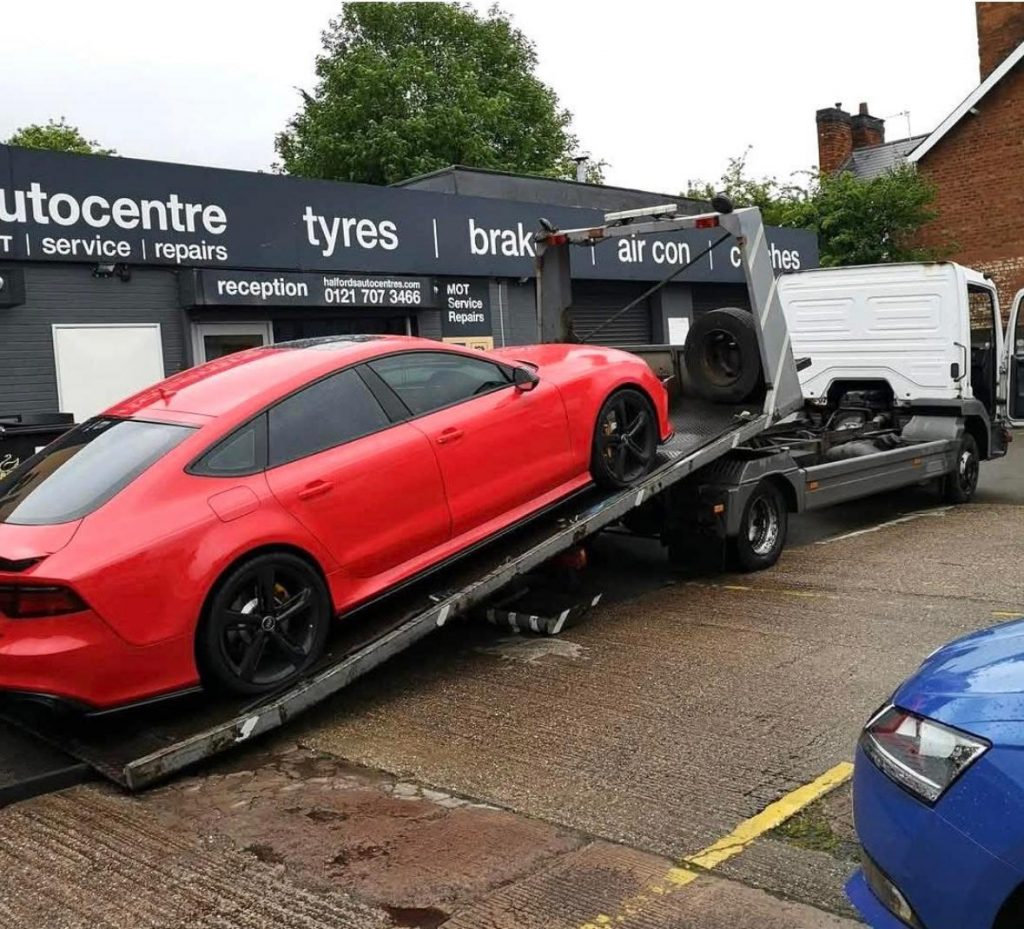
UK Vehicle Recovery Laws: What Birmingham Drivers Need to Know
Understanding UK vehicle recovery laws is essential for every driver. It protects you from fines, prevents you from using unlicensed operators, and ensures your vehicle is handled safely.
For Birmingham drivers, this knowledge is even more important due to the Clean Air Zone (CAZ), heavy motorway traffic, and busy city roads like the A38, M6, and Aston Expressway.
Whether you break down on the M6 or outside your home in Handsworth, knowing your rights—and what a legal recovery service must provide—can save you stress, time, and money.
Why Understanding Vehicle Recovery Laws Matters
When your car breaks down, you may feel pressured to accept the first tow truck that arrives.
But choosing an unlicensed operator can lead to:
Vehicle damage
Overpriced or hidden fees
Insurance problems
Your car being seized if illegally towed
Using a fully licensed and insured recovery company protects you from all these risks.
Common Misconceptions Among Birmingham Drivers
Many people still believe:
“Anyone with a van can tow a car.”
“Rope towing is always legal.”
“Recovery laws don’t apply if it’s an emergency.”
These are false.
UK recovery laws are strict, and enforcement around Birmingham’s major routes makes compliance essential.
Legal Requirements for Vehicle Recovery in the UK
What Counts as a Legal Recovery Vehicle
A compliant recovery truck must have:
Approved amber lighting
Proper towing equipment
Certified winches & safety gear
Clear operator identification
Anything less does not meet UK recovery standards.
Licensing & Insurance Requirements
A legitimate operator must hold:
A valid operator’s licence
Road risk insurance
Public liability insurance
Goods in transit cover
If a company cannot show these documents, they are not legally allowed to recover your vehicle.
Towing Laws Every Driver Should Know
Towing becomes illegal when:
The operator has no recovery licence
Equipment is unsafe or outdated
The weight limit is exceeded
Rope towing is used for long distances
When Rope Towing Is Allowed
Rope towing is only permitted:
For very short distances
When the towed vehicle can steer and brake
A-Frame and Dolly Towing Rules
A-frame and dolly towing are legal only for recovery, not long-distance transport.
Birmingham Specific Recovery Rules & Considerations
Clean Air Zone (CAZ) Requirements
Not all recovery vehicles can legally enter Birmingham’s CAZ.
Using a non-compliant truck can lead to fines for both the operator and the driver.
Always choose a CAZ-compliant recovery service.
Breakdown Hotspots in Birmingham
High-risk breakdown areas include:
Aston Expressway (A38)
M6 Junction 6 (Spaghetti Junction)
Queensway tunnels
M5, M42, and surrounding motorways
These locations require fast response and certified operators.
Motorway Recovery Rules
Motorway recovery in the UK is regulated. Only certified, fully equipped operators can legally recover vehicles from:
M5
M6
M42
M40
Unlicensed operators cannot attend motorway call-outs.
Your Rights as a Driver During Recovery
What a Recovery Operator Must Tell You
A professional recovery company must provide:
Full price breakdown
Estimated time of arrival
Delivery location
Any extra charges (if applicable)
Fees You Have the Right to Challenge
You can dispute:
Hidden charges
Storage fees without written approval
Towing rates above government guidelines
Drivers are protected under UK consumer law.
When Police Can Legally Remove Your Vehicle
Police may arrange recovery if your vehicle:
Causes an obstruction
Is abandoned
Is dangerous after a collision
Blocks traffic or motorways
Failure to collect your car may lead to storage fees and penalties.
What to Do If Your Car Breaks Down in Birmingham
On a Busy Road
Turn on hazard lights
Move to a safe position
Stand away from traffic
On a Motorway (M6 / M5 / M42)
Pull onto the hard shoulder or emergency refuge
Exit the vehicle and wait behind the barrier
Call a licensed 24/7 recovery service
In the City (CAZ or Urban Areas)
Stay inside the vehicle if traffic is heavy
Call your recovery operator
Use a warning triangle only if safe and legal
How to Choose a Legal Recovery Company
Red Flags to Avoid
Avoid operators who:
Offer extremely cheap towing
Refuse to show insurance documents
Use unsafe or unmarked vehicles
Demand cash payments only
What a Legal Company Should Provide
A legitimate recovery service shows:
Insurance documents
Proper recovery trucks
CAZ-compliant vehicles
Fully trained and licensed staff
Why Local Birmingham Operators Are Safer
Local teams understand:
CAZ regulations
Birmingham road layouts
Traffic hotspots
Motorway access rules
This leads to faster and safer recoveries.
Why Choose Birmingham Recovery 247
Birmingham Recovery 247 is:
Fully licensed
Fully insured
CAZ compliant
Available 24/7
Fast across Birmingham, West Midlands & UK motorways
Your safety and legal protection come first.
 Phone: 07538 025978
 Email: birminghamrecovery247@gmail.com
 Website: https://birmingham-recovery-247.uk/
Legal Costs & Fee Transparency
With a proper recovery company, you should always expect:
Clear pricing before recovery
No hidden weekend charges
No fake “zone access” fees
No storage costs without agreement
Contact a Certified Recovery Service Today
For fast, legal, and CAZ-compliant vehicle recovery:
Call Now: 07538 025978 Email: birminghamrecovery247@gmail.com Visit: https://birmingham-recovery-247.uk/